

Machine Vision Concept
Simply put, machine vision is the use of machines instead of human eyes for measurement and judgment. The machine vision system is mainly composed of three parts: image acquisition, image processing and analysis, output or display. It mainly uses computer software to simulate human visual function, extracts information from images of objective things, processes them and finally uses them in actual detection, measurement and control.
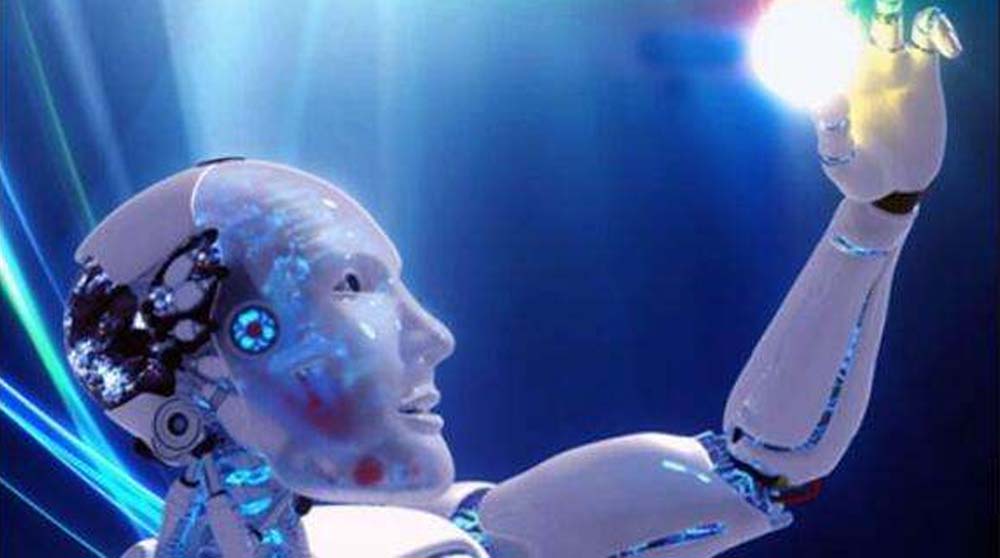
Components of a machine vision system
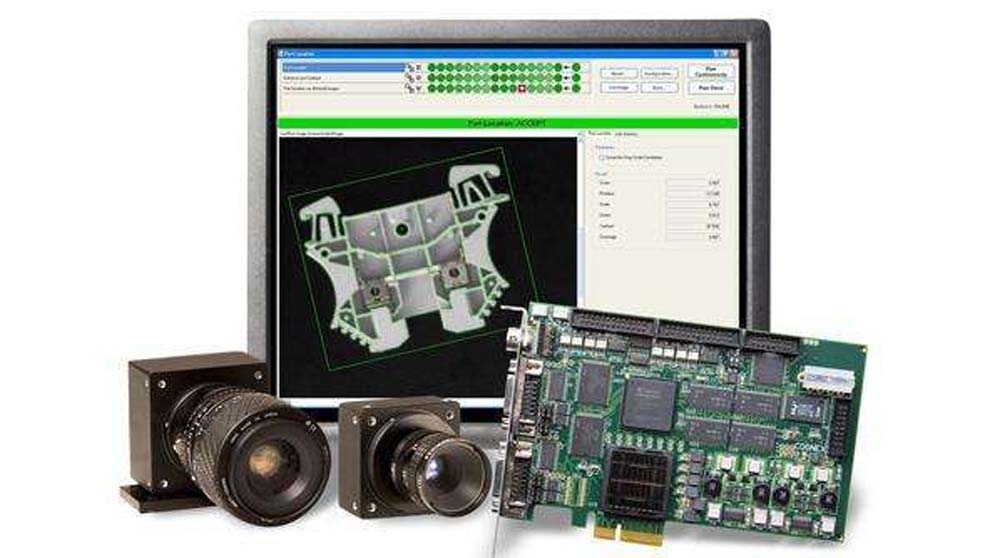
Image Processing Unit - Brain
The image processing unit is completed by image processing software, which contains a large number of image processing algorithms. After the image is obtained, these algorithms are used to process the digital image, analyze and calculate, and output the result. The competition among machine vision companies is, in the final analysis, the competition of algorithm accuracy, so each company will invest a lot of resources in the development of core software. Only excellent machine vision image processing software can perform fast and accurate inspections and reduce dependence on hardware systems. Software is the brain of machine vision. Only after the software digitizes the collected images can the machine perform functions such as recognition and detection.
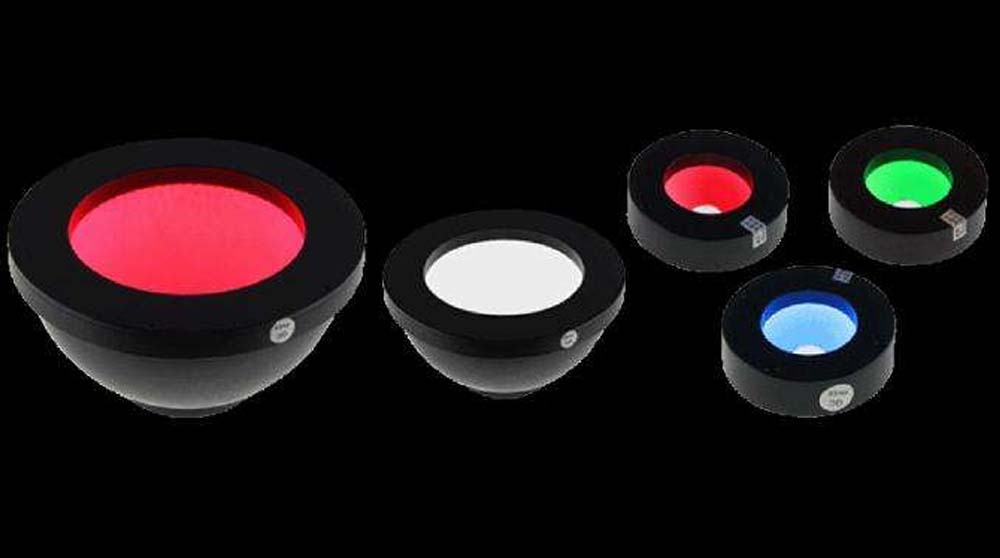
light source
The light source is one of the important components in the machine vision system, and a suitable light source is a prerequisite for the normal operation of the machine vision system. The purpose of using the light source is to distinguish the measured object from the background as clearly as possible to obtain high-quality, high-contrast images.
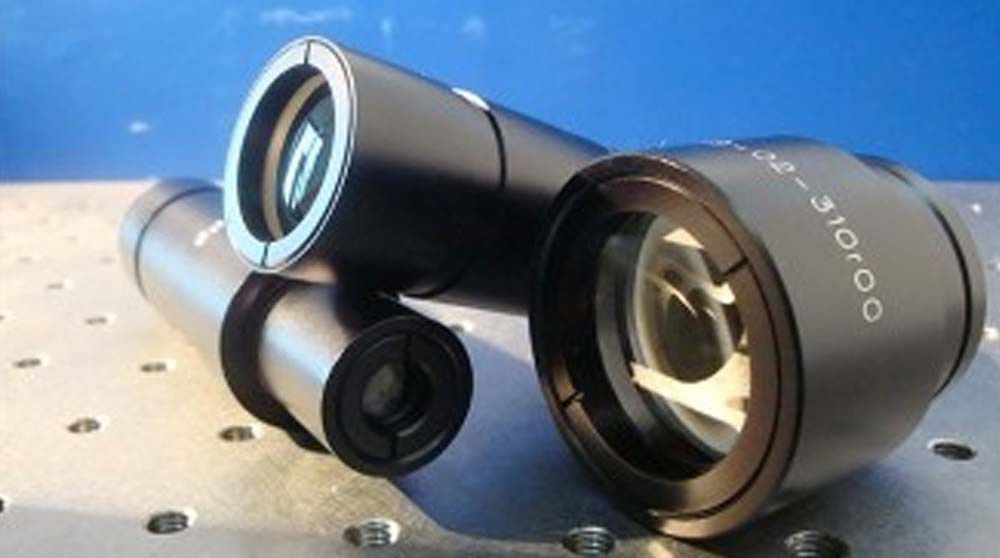
Lens - Retina
The role of the lens is optical imaging. While cameras, analytics software, and lighting are all essential to a machine vision system, the most critical component is the industrial camera lens. For the system to fully function, the lens must be able to meet the requirements. The parameters that determine the performance of the lens mainly include focal length, working distance, visual depth of field, resolution, etc. Depth of field refers to the range of distance between the subject and the best focus when the lens can obtain the best image. The field of view refers to the maximum range that the camera can observe, usually expressed in angles. Generally speaking, the larger the field of view, the larger the observation range. The working distance refers to the distance from the lens to the subject. The longer the working distance, the higher the cost.
camera - eyeball
The purpose of a machine vision camera ("eyeball") is to transmit the image projected to the sensor through the lens to a machine device that can be stored, analyzed and/or displayed. According to the type of chip, it can be divided into CCD camera and CMOS camera. CCD and CMOS are two image process technologies commonly used now, and the main difference between them lies in the different transmission methods.
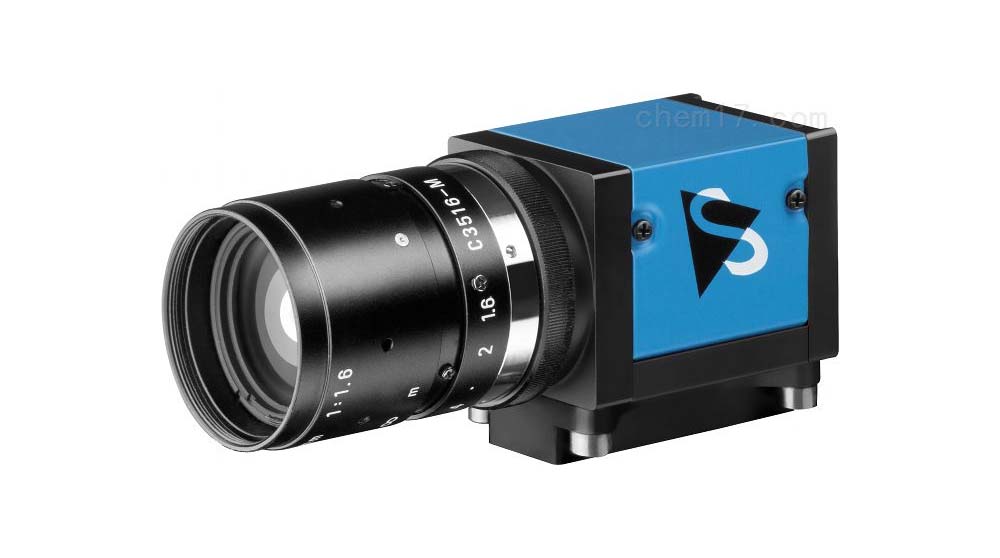
Image Acquisition Unit - Optic Nerve
The most important component in the image acquisition unit is the image acquisition card, which is the interface between the image acquisition part and the image processing part. Generally, it has the following functional modules: image signal reception and A/D conversion module, which is responsible for the amplification and digitization of image signals. There are grabber cards for color or black and white images. Color input signals can be classified as composite signals or RGB component signals. The camera control input and output interface is mainly responsible for coordinating the camera to synchronize or realize asynchronous resetting and taking pictures, timing taking pictures, etc. The bus interface is responsible for high-speed output of digital data through the internal bus of the PC, generally a PCI interface, and the transmission rate can be as high as 130Mbps, which is fully capable of real-time transmission of high-precision images. And take up less CPU time.
output unit
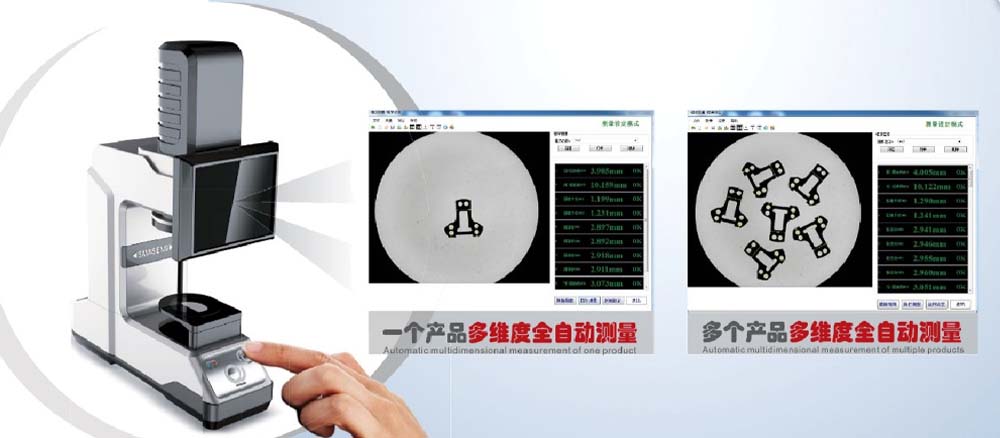
The input and output unit, after completing the image acquisition and processing work, needs to output the image processing results, and take actions that match the results, such as rejecting, warning lights, and display production information through the man-machine interface.
Application fields of machine vision
The biggest advantage of vision technology is that it has no contact with the observed object, so it will not cause any damage to the observer and the observed object, and it is safe and reliable. Theoretically, machine vision can also observe areas that cannot be observed by human eyes, such as infrared, microwave, ultrasonic, etc., and machine vision can use this sensor device to form infrared, microwave, ultrasonic and other images. In addition, people cannot observe objects for a long time, while machine vision has no time limit, and has high resolution accuracy and speed.
Therefore, the application field of machine vision is very extensive, which can be divided into four fields: industry, scientific research, military and civilian. Machine vision is widely used in instrument panel intelligent integrated test system, metal plate surface automatic damage control system, automobile body inspection system, banknote printing quality inspection, intelligent traffic management, metallographic analysis, medical imaging analysis, assembly line production inspection, etc.
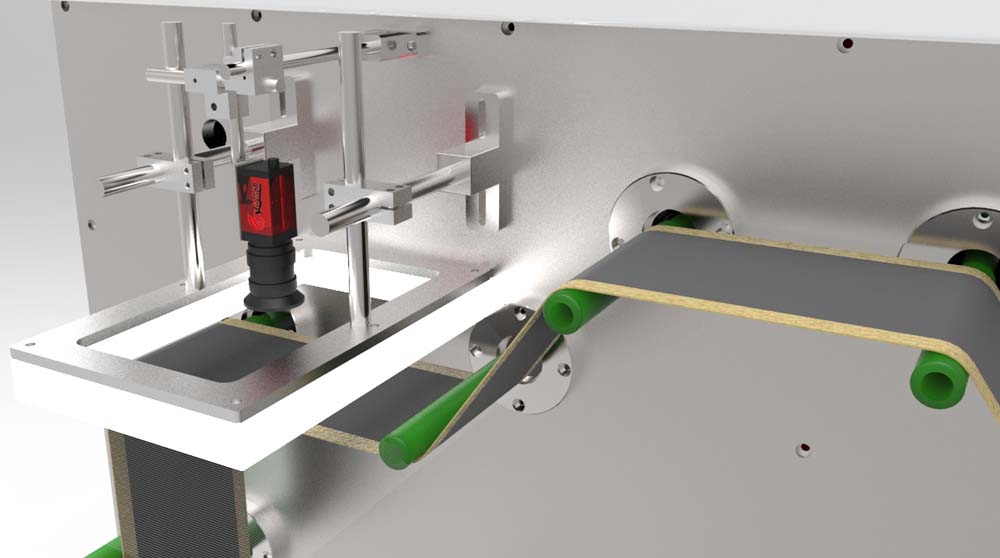
At present, nearly 80% of industrial vision systems are mainly used in inspection, including improving production efficiency, controlling product quality in the production process, and collecting product data. Machine vision automation equipment can replace manual labor to carry out repetitive work tirelessly, and in some dangerous working environments that are not suitable for manual work or where artificial vision is difficult to meet the requirements, machine vision can replace artificial vision. Under the trend of Industry 4.0, the machine vision industry is in the ascendant, and the application of machine vision products in other downstream industries still has considerable room for development.